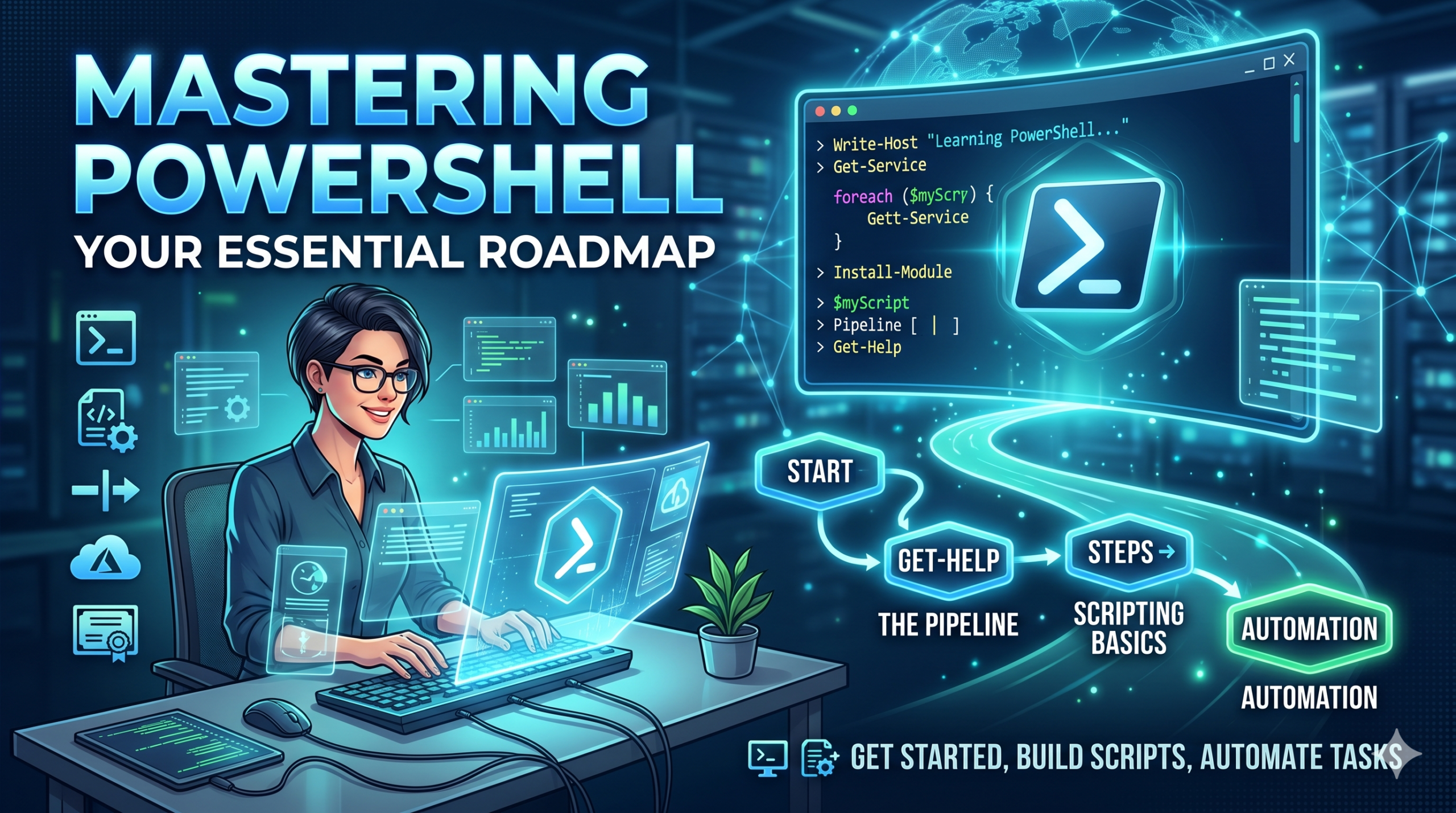
The Ultimate PowerShell Learning Roadmap
The Ultimate PowerShell Learning Roadmap
The Ultimate PowerShell Learning Roadmap
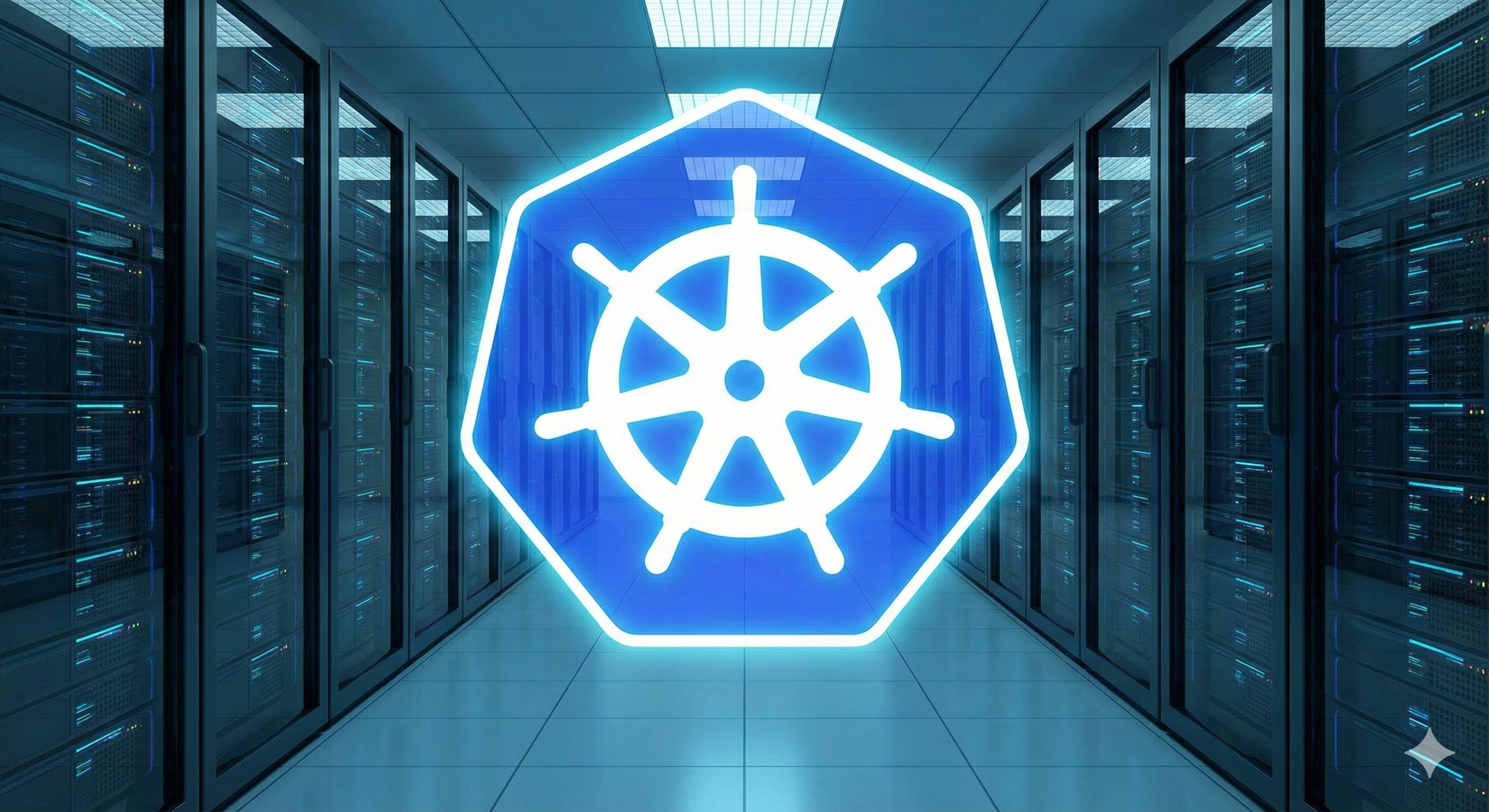
In the modern world of software development, deploying applications has evolved significantly. To understand Kubernetes (often abbreviated as K8s), we must first look at the history of deployment. Traditionally, developers deployed code on physical servers. This required purchasing hardware, installing an operating system, and manually configuring environments.
This method had severe limitations: it was costly, hard to scale, and suffered from the “it works on my machine” problem due to environment inconsistencies.
The industry then moved toward virtualization and eventually containerization. Containers, popularized by tools like Docker, allow applications to be packaged with their dependencies in a lightweight manner, eliminating Operating System overhead. However, as applications moved toward microservices architecture, managing hundreds or thousands of containers became impossible for humans to do manually.
This is where Container Orchestration comes in. Kubernetes is an open-source container orchestration framework originally developed by Google. It automates the deployment, scaling, and management of containerized applications.
Top 30 Kubernetes Interview Questions – 2026
LoadBalancer Service AWS Azure GCP – Complete Kubernetes External Service Guide LoadBalancer Service AWS Azure GCP — Ultimate 2025 Kubernetes Networking Deep-Dive (Enterprise Edition)…
Serverless on GCP: Master Cloud Run autoscaling, security, CI/CD, costs, and real-world troubleshooting with PowerShell & gcloud.
Azure App Service PaaS: scalable hosting for web apps, APIs, and mobile backends with CI/CD, autoscale, and enterprise security.
Troubleshooting Common DevOps Errors in Azure Pipelines
Our website has been refreshed with improved training, consulting, support services, and technical blogs.